

The Evolution of In-Flight Entertainment Systems
Date Published
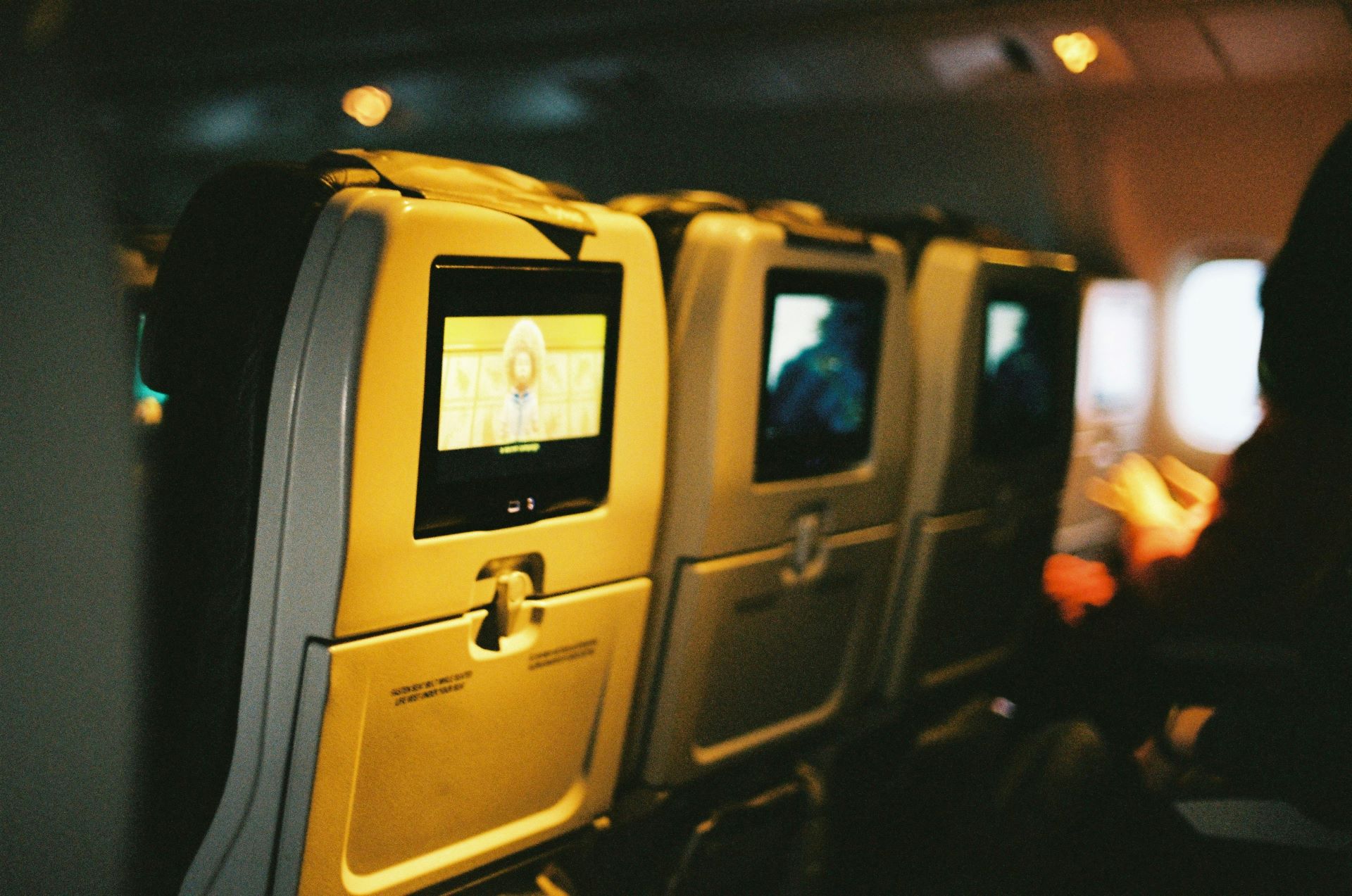
Air travel has always been a negotiation between distance and discomfort. For decades, airlines have tried to soften the edges of long-haul journeys, transforming hours in a pressurised cabin into something closer to a floating living room. At the heart of that transformation sits in-flight entertainment, quietly evolving from a novelty into an expectation, and now into a battleground between built-in systems and personal streaming.
The story of in-flight entertainment is less about screens and more about control. Who controls the experience, the airline or the passenger? The answer has shifted dramatically over time, carried along by changes in technology, passenger behaviour, and the economics of commercial aviation.

The Early Days: Shared Screens and Limited Choice
In-flight entertainment did not begin with personal screens or endless libraries. It began with a single screen, usually mounted at the front of the cabin, playing a film chosen by the airline. The experience was communal, rigid, and largely unavoidable. If you were not interested in the film, your options were limited to staring out the window or attempting sleep in a seat that had no intention of cooperating.
These systems were heavy, analogue, and mechanically complex. Projectors required maintenance, film reels had to be swapped, and synchronisation across multiple screens was not always reliable. Yet, at the time, this was a marvel. Airlines understood that even a small distraction could make a long journey feel shorter.
The emphasis was not on personalisation but on distraction. The goal was simple: occupy passengers long enough to reduce the perceived duration of the flight.
Seatback Screens: Personalisation Takes Off
The introduction of seatback screens marked a turning point. Suddenly, passengers were no longer passive viewers. They could choose what to watch, when to watch it, and in some cases, even pause or rewind. This shift mirrored broader technological trends, particularly the rise of home entertainment systems and DVDs.
Aircraft manufacturers like Boeing and Airbus began integrating entertainment systems directly into aircraft design. This was not a simple add-on. Wiring, weight distribution, and power consumption all had to be carefully managed. Every screen added kilograms, and in aviation, kilograms translate directly into fuel costs.
Despite these challenges, airlines embraced seatback systems as a differentiator. Premium carriers invested heavily in high-resolution displays, expansive content libraries, and intuitive interfaces. The experience began to resemble a curated media environment rather than a simple distraction.
Passengers responded positively. The ability to watch a film on demand, listen to music, or even play basic games transformed expectations. In-flight entertainment was no longer optional. It became part of the value proposition.
The Content Arms Race
As hardware improved, content became the next frontier. Airlines began competing not just on seat comfort or legroom, but on what passengers could watch during their journey.
Partnerships with studios and distributors expanded content libraries. Blockbuster films, television series, and regional programming became standard offerings. Some airlines even began producing original content, blurring the line between transport provider and media curator.
The influence of platforms like Netflix and Amazon Prime Video was unmistakable. Passengers had grown accustomed to vast libraries and personalised recommendations on the ground. They expected something similar at 35,000 feet.
Airlines responded by upgrading their systems to support larger storage capacities and faster interfaces. The goal was to replicate, as closely as possible, the streaming experience passengers enjoyed at home.
The Weight Problem: When Comfort Meets Cost
Every innovation in aviation comes with a trade-off, and in-flight entertainment is no exception. Seatback systems are heavy. Screens, wiring, control units, and servers all contribute to the overall weight of the aircraft.
Weight affects fuel consumption, and fuel is one of the largest operating costs for airlines. Even small increases can have significant financial implications over time. This reality forced airlines to reconsider the long-term viability of traditional built-in systems.
Maintenance added another layer of complexity. Screens break, software glitches occur, and components require regular servicing. Downtime affects passenger satisfaction, and repairs increase operational costs.
The question became unavoidable: is there a more efficient way to deliver entertainment without the physical burden?
The Rise of Streaming: Bring Your Own Device
Enter streaming-based in-flight entertainment. Instead of installing screens in every seat, airlines began offering onboard Wi-Fi networks that allow passengers to stream content directly to their personal devices.
This approach fundamentally changes the equation. The hardware burden shifts from the airline to the passenger. Smartphones, tablets, and laptops become the primary interface, reducing the need for heavy, built-in systems.
Airlines install onboard servers that host content locally, enabling streaming without requiring a full internet connection. Passengers connect to the aircraft’s network, open a browser or app, and access a library of films, series, and music.
The benefits are immediate. Reduced weight leads to lower fuel consumption. Maintenance requirements decrease. Updates to content libraries can be managed more efficiently.
From a passenger perspective, the experience feels familiar. The interface resembles the streaming platforms they already use, and they can watch content on devices they are comfortable with.
Connectivity Changes Everything
Streaming systems are closely tied to the evolution of in-flight connectivity. As satellite technology improves, airlines are increasingly able to offer real-time internet access during flights.
Providers like Viasat and Inmarsat have played a significant role in expanding connectivity options. Faster speeds and more reliable connections make it possible for passengers to access not just onboard content, but also live streaming services, social media, and even work platforms.
This development blurs the line between in-flight entertainment and general connectivity. Entertainment is no longer a closed ecosystem curated by the airline. It becomes part of a broader digital experience.
However, connectivity is not without limitations. Bandwidth constraints, coverage gaps, and pricing models still affect accessibility. Not all passengers are willing to pay for full internet access, and not all routes offer consistent performance.
Built-In Systems vs Streaming: A Strategic Divide
The debate between built-in systems and streaming is not simply technological. It is strategic.
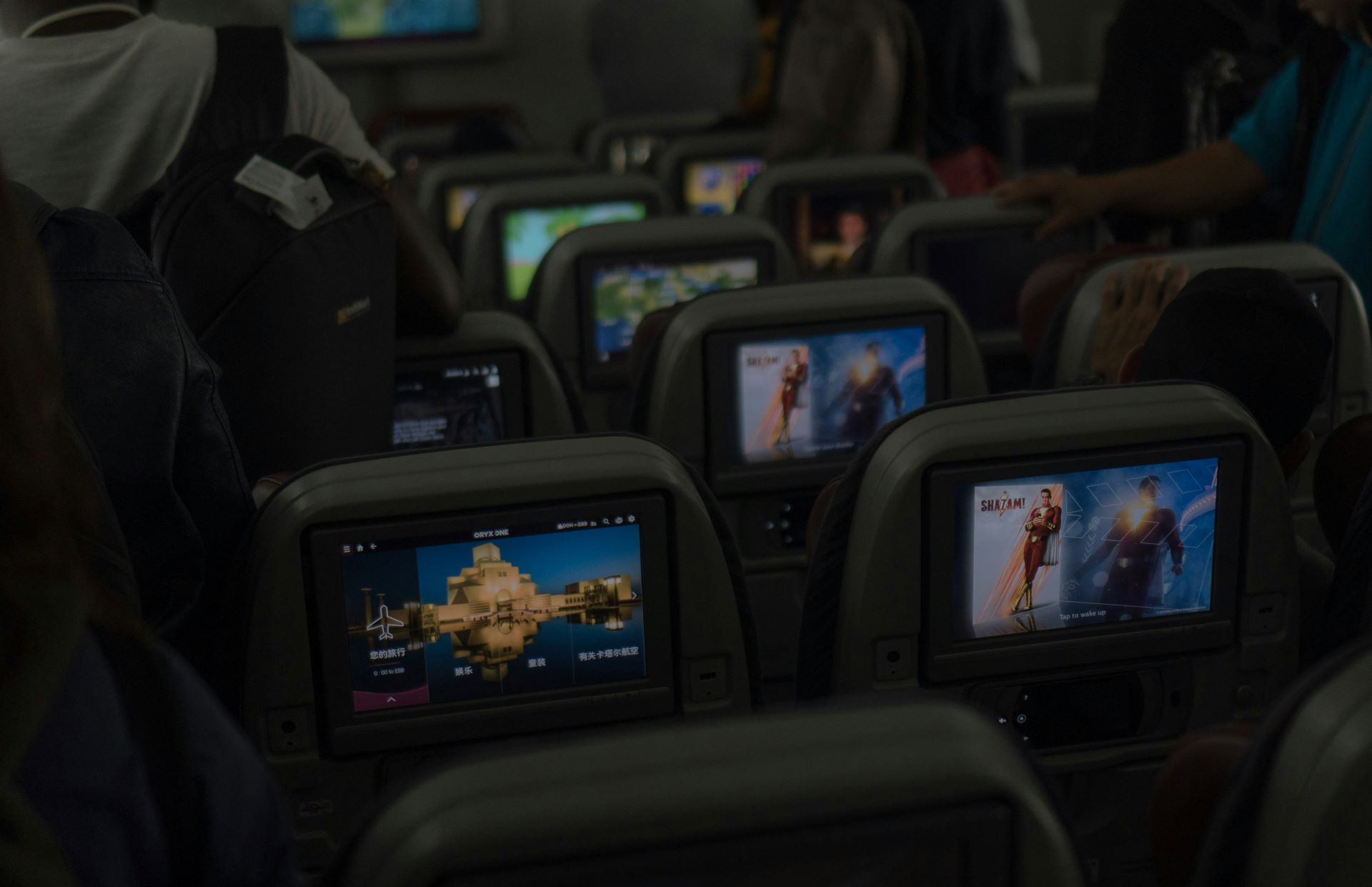
Built-in systems offer consistency. Every passenger has access to a screen, regardless of whether they own a device or remembered to charge it. This is particularly important for long-haul flights and premium cabins, where expectations are higher.
Streaming systems, on the other hand, offer flexibility and cost efficiency. They align with broader consumer behaviour, where personal devices are central to daily life.
Airlines are increasingly adopting hybrid approaches. Premium cabins retain high-quality seatback screens, while economy cabins shift towards streaming-based solutions. This allows airlines to balance cost considerations with passenger expectations.
The choice often depends on route type, target market, and brand positioning. Full-service carriers tend to maintain built-in systems as part of a premium experience, while low-cost carriers lean heavily towards streaming.
Passenger Expectations in the Streaming Era
Modern passengers are not passive consumers. They arrive on board with established digital habits, shaped by years of interaction with on-demand platforms.
They expect:
Seamless interfaces that require minimal effort to navigate
High-quality content that reflects current trends
The ability to pause, resume, and personalise their experience
Compatibility with their own devices
Streaming-based systems align naturally with these expectations. They feel like an extension of everyday life rather than a separate, constrained environment.
However, there is still a psychological comfort in having a dedicated screen. It signals completeness, a sense that the airline has anticipated every need. Removing that screen can feel, to some passengers, like a downgrade, even if the functionality remains intact.
The Role of Data and Personalisation
As systems become more digital, data becomes a powerful tool. Airlines can analyse viewing habits, track content popularity, and refine their offerings accordingly.
This opens the door to personalisation. In the future, passengers may see tailored recommendations based on previous flights, loyalty programme data, or even preferences selected during booking.
The influence of companies like Spotify and YouTube is evident here. Personalised content is no longer a luxury. It is an expectation.
For airlines, this represents both an opportunity and a challenge. Personalisation can enhance the passenger experience, but it also requires careful handling of data privacy and system integration.
The Future Cabin: Screens, Streams, or Something Else?
Looking ahead, the future of in-flight entertainment is likely to be a blend of technologies rather than a single solution.
Seatback screens are evolving, becoming lighter, thinner, and more energy-efficient. Some manufacturers are exploring ultra-lightweight displays that reduce the traditional weight penalty.
Streaming will continue to expand, particularly as connectivity improves. The idea of accessing your own subscriptions in the air, whether it is Netflix or Disney+, is becoming increasingly viable.
Emerging technologies add another layer of intrigue. Augmented reality and virtual reality could redefine entertainment entirely, turning a seat into a portal rather than a constraint. While still experimental, these concepts hint at a future where the cabin fades into the background.
Commercial Implications for Airline Tourism
In-flight entertainment is not just a comfort feature. It plays a role in shaping the overall travel experience, which in turn influences tourism.
A positive onboard experience can enhance a destination’s appeal. Long-haul travel becomes more tolerable, even enjoyable, encouraging passengers to consider destinations that were previously seen as too distant.
Airlines also use entertainment systems to promote destinations. Curated content, travel documentaries, and destination guides can inspire passengers before they even land.
For tourism stakeholders, this creates an opportunity. Partnerships with airlines can extend marketing efforts into the cabin, reaching a captive audience at a moment when they are most receptive.
Balancing Innovation and Accessibility
As technology advances, airlines must ensure that innovation does not come at the expense of accessibility. Not all passengers have the latest devices, and not all are comfortable navigating digital interfaces.
Providing multiple options remains essential. Built-in systems, streaming platforms, and even traditional media like magazines all have a role to play.
The goal is not to replace one system with another, but to create an ecosystem that accommodates different preferences and needs.
A Journey Still in Motion
The evolution of in-flight entertainment is far from complete. It continues to adapt, shaped by technological progress and shifting passenger expectations.
What began as a single flickering screen has become a complex, multi-layered experience. Built-in systems and streaming platforms are not rivals in a simple contest. They are part of a broader narrative about how we consume media, how we travel, and how we define comfort in an increasingly connected world.
Somewhere above the clouds, a passenger taps a screen or opens an app, choosing what to watch next. That small act of choice, almost invisible, is the culmination of decades of innovation.
And the story is still unfolding, one flight at a time.