

The Economics of Aircraft Maintenance in Aviation Industry
Date Published
The Invisible Engine Behind Air Travel
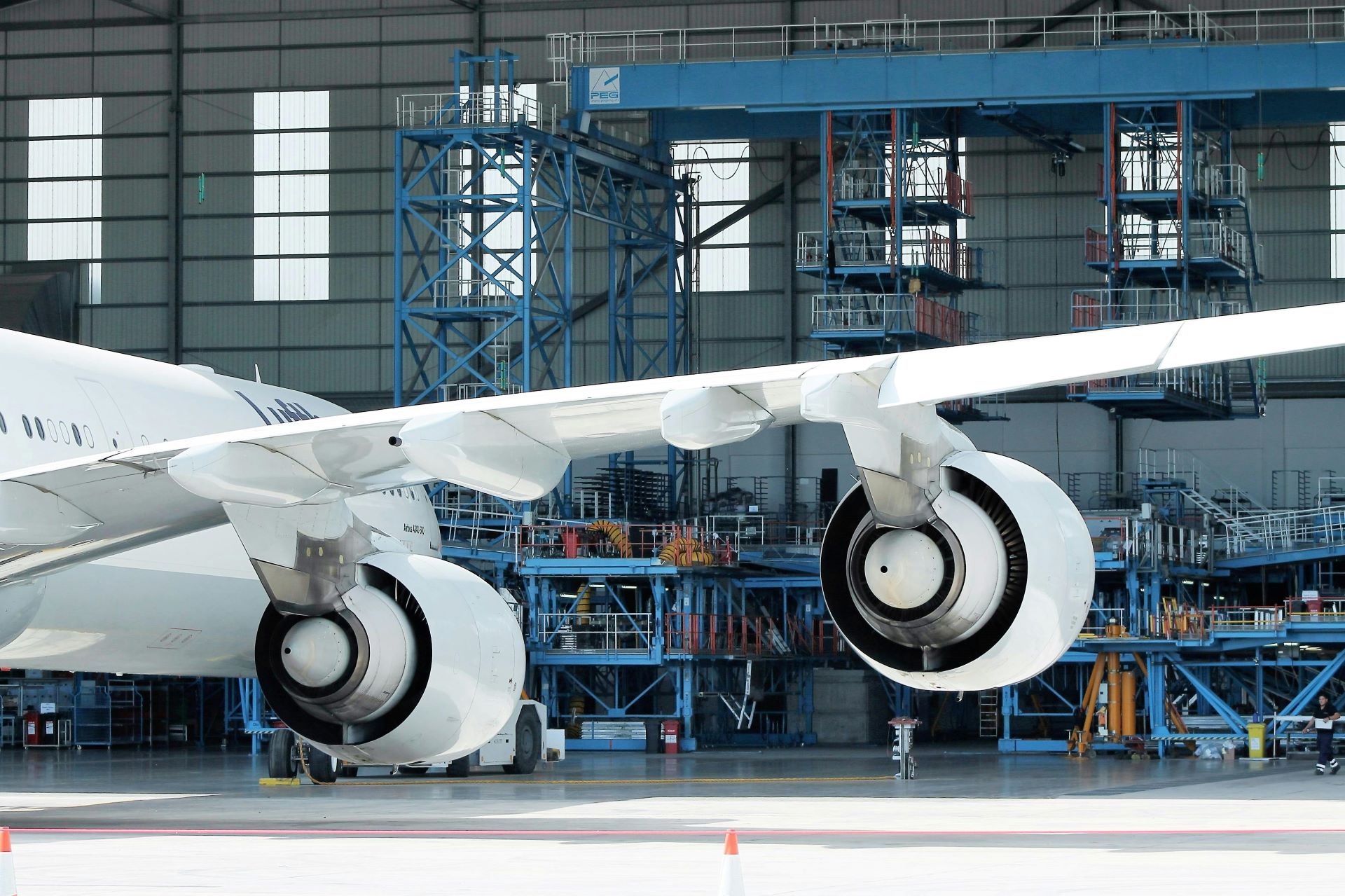
Every commercial flight that lifts into the sky carries an unspoken promise: safety maintained by relentless, structured care. While passengers think in terms of destinations, airlines think in cycles, inspections, and engineering thresholds. Aircraft maintenance is not a background activity in commercial aviation. It is the operating rhythm that keeps global tourism airborne.
In commercial airline tourism, maintenance is both guardian and gatekeeper. It ensures safety compliance, but it also dictates how often aircraft fly, how routes are scheduled, and ultimately how ticket prices are structured. Behind every smooth long-haul flight is a web of inspections, part replacements, diagnostics, and regulatory oversight that determines whether that aircraft is even allowed to leave the ground.
The economics of this system are intricate. Maintenance is one of the largest operating expenses for airlines, often second only to fuel. Yet it is not a cost that can be reduced without consequence. Instead, it is a managed discipline, balancing safety mandates with operational efficiency.
The Maintenance Ecosystem in Commercial Aviation
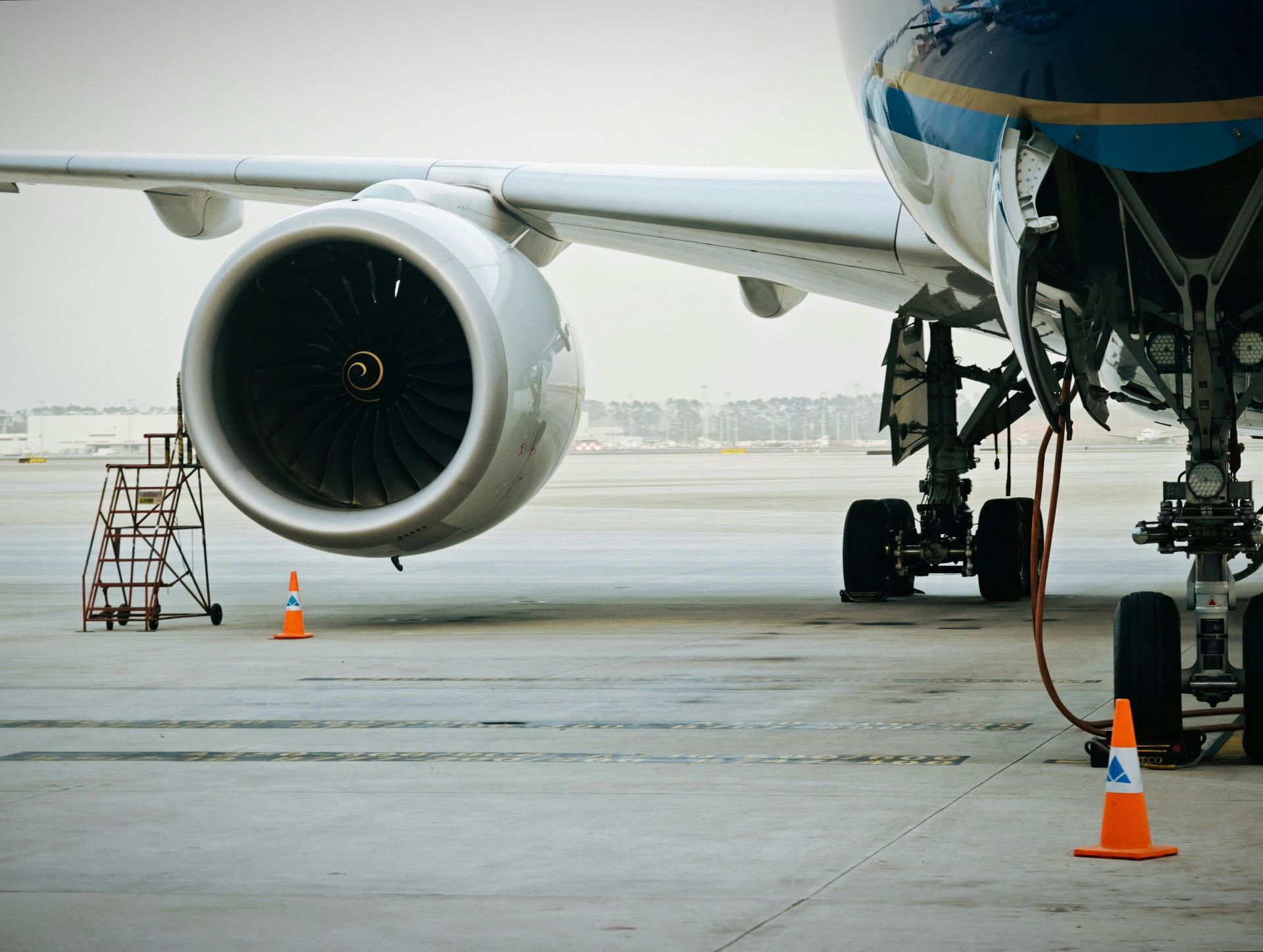
Aircraft maintenance is not a single process but a layered ecosystem. Airlines, manufacturers, and independent organisations all play roles in ensuring aircraft remain airworthy. This ecosystem is broadly divided into three interconnected categories: line maintenance, base maintenance, and component overhaul.
Line maintenance occurs daily or between flights. It includes quick inspections, fluid checks, and minor repairs. Base maintenance is more intensive, requiring aircraft to be taken out of service for extended periods. Component overhaul focuses on individual parts such as engines, landing gear, and avionics systems.
Each layer of maintenance operates on strict regulatory frameworks governed by aviation authorities such as the International Civil Aviation Organization (ICAO) and regional regulators. These bodies enforce compliance standards that dictate when and how maintenance must occur.
In commercial airline tourism, this structured hierarchy ensures reliability but also introduces complexity into fleet scheduling. Aircraft are not simply available on demand. They are assigned maintenance windows that must be carefully integrated into route planning.
Scheduled Maintenance: The Clockwork of Safety
Aircraft maintenance is fundamentally time-based and usage-based. Airlines follow detailed maintenance schedules that are derived from manufacturer guidelines and regulatory requirements. These schedules are designed to prevent failures before they occur, rather than respond after the fact.
The most visible structure in this system is the series of checks commonly referred to as A, B, C, and D checks. Although modern airlines often customise these categories, the principle remains consistent.
A checks are relatively frequent and occur every few hundred flight hours. These are short inspections that can often be completed overnight. B checks, less common in modern aviation, involve slightly deeper systems checks.
C checks are more intensive and can take aircraft out of service for several days or even weeks. They involve detailed inspections of critical systems, structural elements, and avionics.
D checks represent the most extensive level of maintenance. They are sometimes referred to as heavy maintenance checks and can ground an aircraft for months. During a D check, the aircraft is essentially stripped down, inspected, refurbished, and rebuilt to near factory condition.
From a tourism perspective, these cycles directly influence airline capacity. A fleet undergoing heavy maintenance has fewer aircraft available for routes, which can affect seat supply, scheduling flexibility, and seasonal pricing.
The Economics of Downtime
In aviation, time is not just money. It is revenue in motion. Every hour an aircraft spends in maintenance hangars represents potential passenger journeys not taken. This creates a fundamental tension between safety compliance and revenue optimisation.
Aircraft downtime is one of the most significant hidden costs in commercial airline tourism. While fuel costs are visible and volatile, maintenance costs are embedded into operational planning. Airlines must forecast not only when maintenance will occur but also how it will affect fleet availability months or even years in advance.
The economics become more complex when considering aircraft utilisation rates. High-utilisation fleets generate more revenue per aircraft but also accelerate maintenance cycles. This creates a paradox: the more profitable an aircraft is in the short term, the more frequently it must be taken out of service for maintenance.
Airlines therefore operate within a delicate equilibrium. They must ensure maximum utilisation without crossing the threshold where maintenance costs and downtime erode profitability.
Maintenance, Safety, and Regulatory Pressure
Unlike many industries, aviation does not allow for discretionary maintenance reduction. Safety regulations impose strict minimum standards that airlines must meet regardless of cost implications.
These regulations are not static. They evolve continuously based on accident investigations, technological advancements, and operational data. When new safety directives are issued, airlines must incorporate them into their maintenance schedules, often at significant cost.
In commercial airline tourism, this regulatory environment creates a non-negotiable baseline of expenditure. Even during periods of low demand, such as economic downturns or global disruptions, maintenance requirements continue. Aircraft cannot simply be parked indefinitely without ongoing preservation maintenance.
This creates an economic paradox: airlines must maintain assets that may not be generating revenue, while still adhering to safety obligations that cannot be deferred.
The Role of MRO Organisations
Maintenance, Repair, and Overhaul (MRO) organisations form the industrial backbone of aircraft maintenance economics. These specialised entities handle complex maintenance tasks that airlines often outsource.
MRO facilities operate like high-precision manufacturing environments. Aircraft are disassembled, inspected using advanced diagnostic tools, repaired or replaced, and then reassembled to strict airworthiness standards.
The global MRO industry is a multi-billion-dollar sector closely tied to commercial airline tourism. Its capacity directly influences how quickly aircraft can return to service after heavy maintenance checks.
Location also plays a role in cost structure. Airlines often position aircraft strategically around MRO hubs to minimise ferry flights and downtime. Regions with lower labour costs or favourable regulatory environments can become major maintenance centres, creating global shifts in aviation economics.
Cost Structures Behind Aircraft Maintenance
Aircraft maintenance costs are typically divided into labour, parts, and overhead.
Labour costs include skilled engineers, technicians, inspectors, and quality assurance specialists. These professionals require extensive training and certification, making aviation maintenance one of the most specialised labour markets in the world.
Parts represent another significant cost driver. Aircraft components are highly engineered and often subject to strict certification requirements. Even minor components can carry substantial replacement costs due to manufacturing complexity and regulatory compliance.
Overhead includes hangar space, tooling, logistics, software systems, and regulatory compliance costs. Modern aircraft maintenance relies heavily on predictive analytics and digital monitoring systems, adding a technological layer to the cost structure.
Together, these components create a maintenance economy that is both capital-intensive and labour-intensive. Airlines must balance these costs against revenue expectations across their entire fleet lifecycle.
Predictive Maintenance and Digital Transformation
The aviation industry is increasingly shifting toward predictive maintenance models. Instead of relying solely on fixed schedules, airlines now use real-time data collected from aircraft sensors to predict when maintenance is required.
This data-driven approach allows airlines to identify potential issues before they escalate into failures. Engine performance data, vibration analysis, and system diagnostics are continuously transmitted and analysed.
In commercial airline tourism, predictive maintenance has significant economic implications. It reduces unscheduled downtime, improves fleet availability, and optimises maintenance scheduling.
However, it also requires substantial investment in digital infrastructure, data analytics platforms, and skilled data engineers. The result is a shift in maintenance economics from purely mechanical costs to hybrid mechanical-digital systems.
Aircraft are no longer just machines. They are data-generating platforms that communicate their health in real time.
Fleet Planning and Maintenance Integration
Airline fleet planning is deeply intertwined with maintenance scheduling. Airlines must align aircraft availability with seasonal demand, route networks, and maintenance cycles.
For example, long-haul aircraft may be scheduled for heavy maintenance during low-demand seasons, while high-demand periods prioritise maximum operational availability.
This requires long-term forecasting that can extend several years into the future. Airlines simulate maintenance scenarios alongside route profitability models to ensure optimal fleet utilisation.
In commercial airline tourism, this integration determines how many flights are available on popular routes during peak travel periods. A poorly timed maintenance cycle can reduce capacity on high-demand routes, influencing ticket pricing and passenger distribution.
Fleet homogeneity also plays a role. Airlines with standardised fleets can streamline maintenance processes, reduce spare parts inventories, and simplify training requirements. Conversely, diverse fleets increase complexity but may offer operational flexibility.
The Hidden Economics of Aircraft Lifecycles
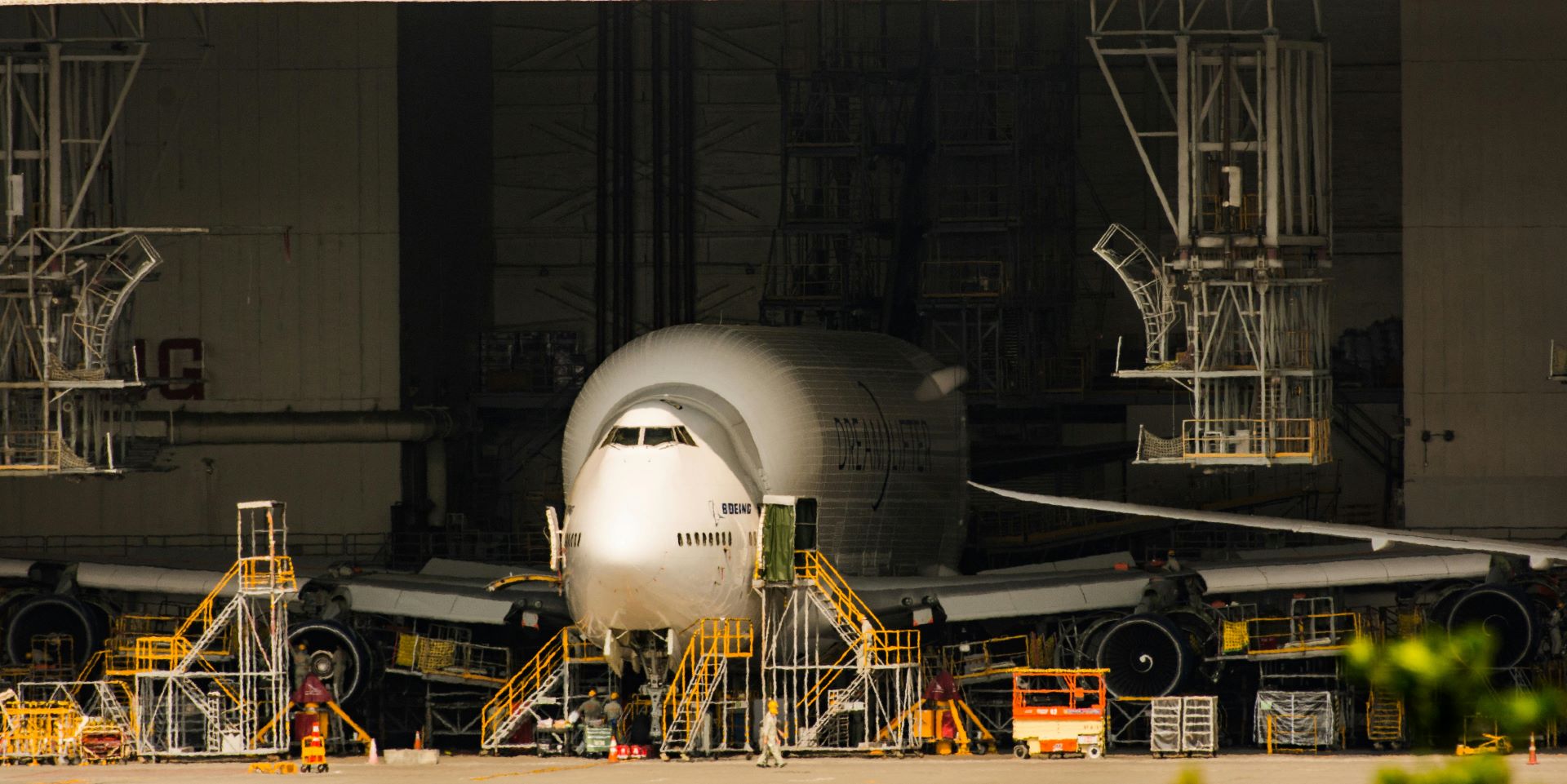
Aircraft are long-term assets, often operating for 20 to 30 years or more. Over this lifespan, maintenance costs increase as the aircraft ages.
Early in an aircraft’s life, maintenance is relatively predictable and low-cost. As it ages, inspections become more frequent, components require more replacements, and structural checks become more intensive.
This ageing process creates a lifecycle cost curve that airlines must carefully manage. At a certain point, older aircraft may become economically inefficient compared to newer models, not because they cannot fly safely, but because they require disproportionately high maintenance investment.
In commercial airline tourism, this lifecycle dynamic influences fleet renewal strategies. Airlines must decide when to retire aircraft, when to refurbish them, and when to continue investing in maintenance.
Fuel Efficiency, Maintenance, and Operational Synergy
Maintenance is not only about safety. It also affects fuel efficiency. Well-maintained aircraft operate more efficiently, reducing fuel consumption and emissions.
Engine performance degradation, aerodynamic wear, and system inefficiencies can all increase fuel burn if not addressed through regular maintenance.
This creates a direct link between maintenance economics and operational sustainability. Airlines that invest in high-quality maintenance can reduce fuel costs over time, partially offsetting maintenance expenditure.
In commercial airline tourism, this synergy is increasingly important as environmental regulations tighten and fuel prices fluctuate. Maintenance is no longer just a cost centre. It is a performance optimisation tool.
Disruptions and Unplanned Maintenance Costs
While scheduled maintenance is predictable, unplanned maintenance represents one of the most challenging economic variables in aviation.
Unexpected component failures, bird strikes, or system malfunctions can force aircraft into immediate maintenance, disrupting schedules and increasing costs.
These events create cascading effects across airline operations. A single grounded aircraft can affect multiple routes, crew schedules, and passenger itineraries.
To manage this risk, airlines maintain spare aircraft capacity and reserve parts inventories. However, this buffer capacity itself represents a cost, as idle assets do not generate revenue.
In commercial airline tourism, unplanned maintenance is one of the most significant contributors to operational volatility.
The Passenger Perspective on Maintenance Economics
From a passenger standpoint, aircraft maintenance is largely invisible. Yet it influences nearly every aspect of the travel experience.
Ticket pricing, route frequency, aircraft availability, and even departure times are shaped by maintenance planning. A well-maintained fleet enables reliable scheduling, while maintenance constraints can reduce route options or increase fares during peak demand.
Passengers indirectly benefit from maintenance investments through improved safety, comfort, and reliability. Modern aircraft cabins, quieter engines, and smoother flights are all outcomes of continuous maintenance and technological upgrades.
In this sense, maintenance is not just an operational necessity. It is a silent contributor to the quality of commercial airline tourism.
The Economic Pulse of Aviation
Aircraft maintenance is often described as a cost of doing business in aviation, but it is more accurately the structural backbone of the entire industry.
It determines how fleets are utilised, how routes are scheduled, how airlines compete, and how passengers experience travel. It is both a safety mechanism and an economic engine.
In commercial airline tourism, maintenance is not an interruption to operations. It is part of the operation itself, a rhythmic cycle of inspection, repair, and renewal that keeps global aviation alive.
Every aircraft in the sky is a reflection of thousands of hours of unseen work on the ground. The economics of that work define not only airline profitability but the very accessibility of air travel across the world.